
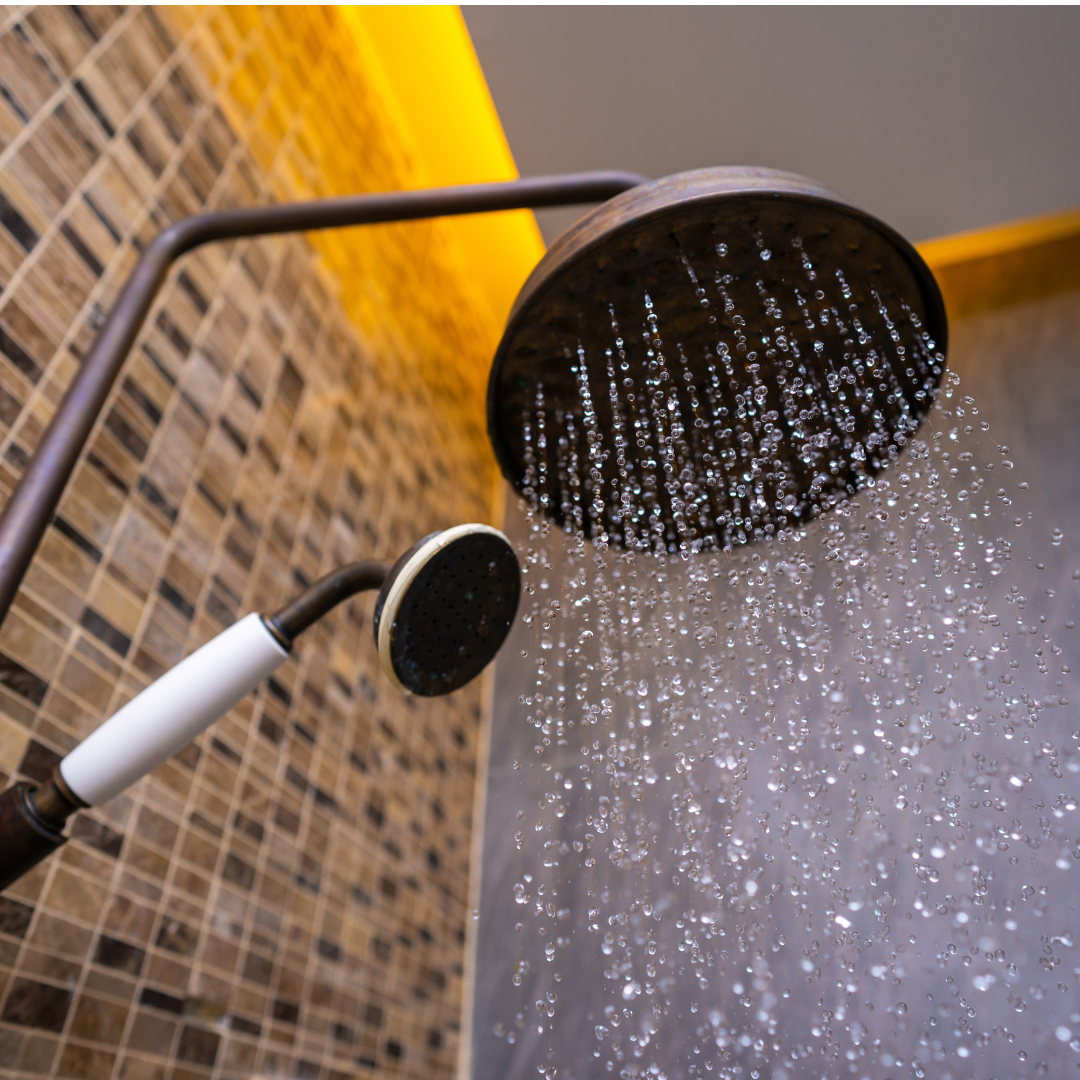
A smoothly functioning shower diverter is essential for a pleasant bathing experience, allowing you to effortlessly switch between your shower head and bathtub faucet. However, like any plumbing fixture, shower diverters can encounter issues over time that disrupt this seamless operation. Let’s explore why your shower diverter might not be working and how to troubleshoot and repair common problems.
Understanding Shower Diverters
What is a Shower Diverter?
A shower diverter is a valve that directs water from your bathtub faucet to your showerhead or vice versa. It enables you to choose whether to fill the tub or enjoy a shower without needing separate fixtures for each.
Types of Shower Diverters
1.Three-Way Diverter Valve:
This type is commonly found in tub/shower combinations. It directs water either to the bathtub spout, the showerhead, or both simultaneously.
2.Two-Way Diverter Valve:
Typically used in shower-only setups, this valve directs water either through the showerhead or stops the flow completely.
Common Types of Problems
1. Diverter Stuck in One Position: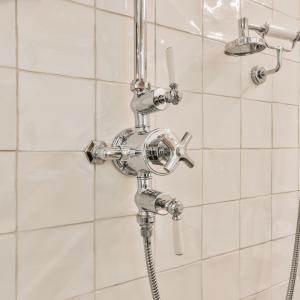
Issue: The diverter is unable to switch the water flow between the tub spout and the shower head.
Cause: Mineral deposits or sediment buildup inside the diverter valve can restrict its movement. This is often exacerbated by hard water.
Solution: Cleaning the Diverter – Start by turning off the water supply to the shower. Remove the diverter handle and any cover plate to access the valve. Clean any visible debris or buildup using a brush and vinegar solution. Replace the parts and test the diverter.
Replacing the Diverter Valve – If cleaning doesn’t resolve the issue, you may need to replace the diverter valve entirely. This involves shutting off the water supply to your house, removing the old valve, and installing a new one according to manufacturer instructions.
2. Diverter Leaks or Drips:
Issue: Water continues to flow from the tub spout when the shower is on, or vice versa.
Cause: A worn-out washer or seal inside the diverter valve is allowing water to pass through when it shouldn’t.
Solution: Replacing the Washer or Seal – Similar to fixing a leaky faucet, you’ll need to disassemble the diverter valve, identify the problematic washer or seal, and replace it with a new one. Ensure all parts are clean and properly lubricated before reassembly.
3. Weak Water Pressure in Shower Head:
Issue: When the diverter is engaged to direct water to the showerhead, the water pressure is significantly reduced.
Cause: Mineral deposits or debris clogging the showerhead or shower arm, reducing water flow.
Solution: Cleaning the Shower head and Arm – Remove the showerhead and shower arm, if possible. Soak them in a vinegar solution to dissolve any mineral deposits. Use a brush to scrub away debris. Reattach the shower head and arm, ensuring a tight seal.
Frequently Asked Questions (FAQs)
Q: Why does my shower diverter make noise when I use it?
A: Noise from the diverter can indicate mineral buildup or loose parts inside the valve. Cleaning or tightening components may resolve this issue.
Q: Can I replace a shower diverter myself?
A: Yes, replacing a shower diverter can often be done as a DIY project. Ensure you have the necessary tools and follow installation instructions carefully to avoid leaks.
Q: How do I know if my shower diverter needs replacing?
A: If cleaning and replacing washers or seals doesn’t resolve issues such as leaks or inability to divert water flow, it’s likely time to replace the diverter valve.
What You Should Know About Shower Diverters
Maintenance: Regular cleaning and inspection can prevent many diverter issues. Use vinegar or a mild cleaner to remove mineral deposits periodically.
Water Quality: Hard water can accelerate mineral buildup, impacting the functionality of your diverter. Consider installing a water softener if your area has hard water.
Professional Help: If you’re uncomfortable or unsure about repairing or replacing your shower diverter, it’s always wise to consult a professional plumber. They can diagnose issues accurately and ensure correct installation.
Understanding the common problems and solutions for shower diverters can help you maintain a functional bathroom and avoid disruptions to your daily routine. By addressing issues promptly and performing regular maintenance, you can extend the lifespan of your shower diverter and enjoy consistent water flow whether you’re bathing or showering.
If problems persist or you’re uncertain about DIY repairs, don’t hesitate to seek assistance from a qualified plumber to ensure your plumbing system operates smoothly for years to come.
The Great Plumbing Co.
For nearly three decades, The Great Plumbing Co. has been providing exceptional plumbing services for homeowners as well as business owners throughout Toronto and the GTA. Whether you’re dealing with a leaky hose bib, a clogged drain, or a toilet repair and service you can trust The Great Plumbing Co. to deliver timely solutions tailored to your specific requirements.
Contact us or book online to schedule your residential plumbing appointment. schedule your residential plumbing appointment.