
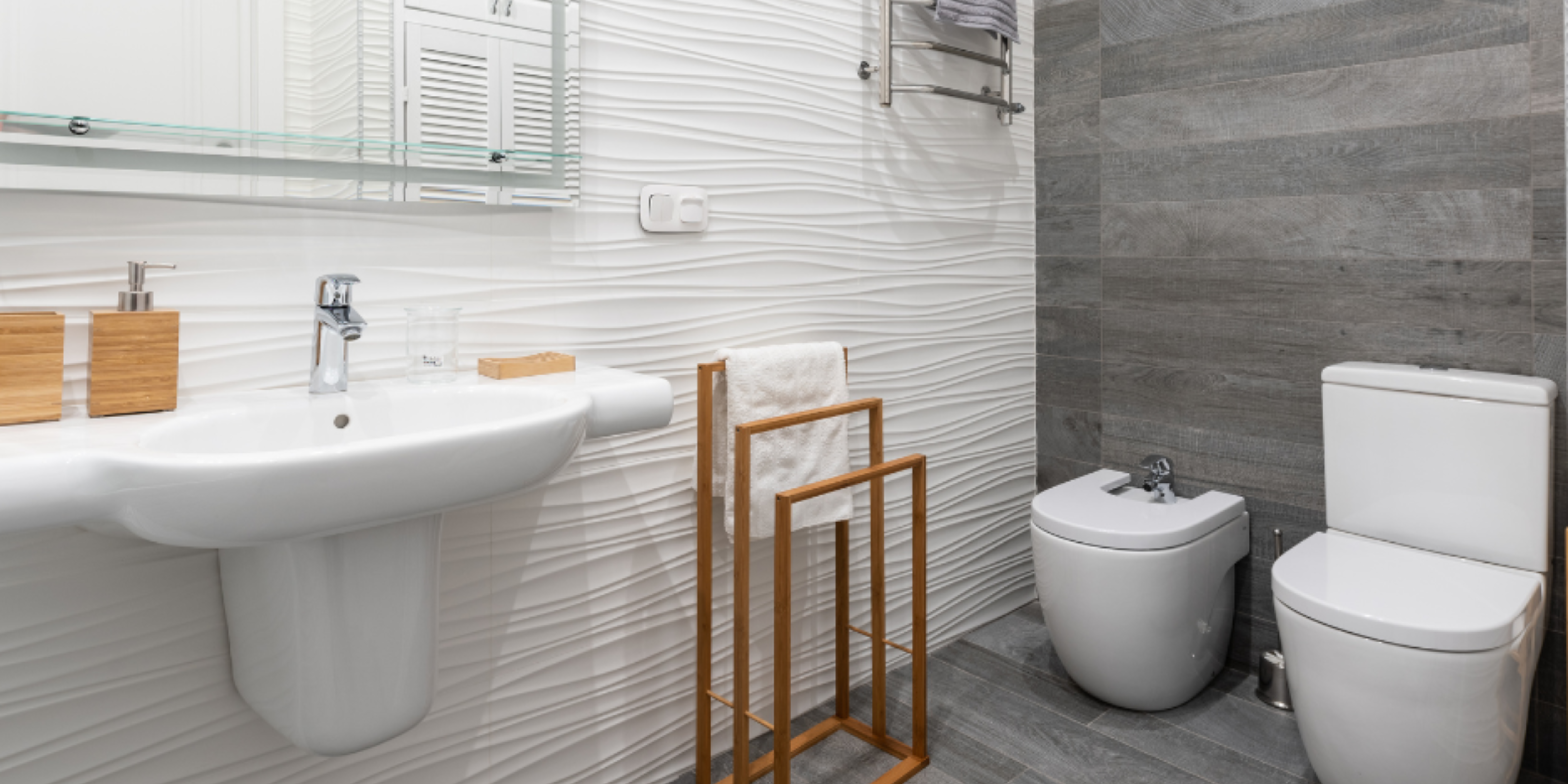
As the world shifts toward more sustainable practices, the plumbing industry is no exception. Eco-friendly toilets and water-saving designs are at the forefront of this transformation, driving change in both residential and commercial spaces. With the integration of new trends and technologies, the future of plumbing is looking greener than ever. We’ll explore how these innovations are shaping the future of plumbing and highlight the top five trends for the year ahead.
The Rise of Eco-Friendly Toilets
Water conservation is becoming a key focus in home design and toilets play a significant role in this effort. Traditional toilets can use up to 7 gallons of water per flush, contributing to excessive water waste. In contrast, eco-friendly toilets are designed to minimize water usage without sacrificing performance. These innovations are not only helping homeowners reduce their environmental footprint but also leading to significant savings on water bills.
Water-Saving Designs: The Future of Plumbing
Eco-friendly toilets utilize a variety of water-saving technologies. Here are a few of the most popular:
Dual-Flush Toilets
Dual-flush toilets offer two flush options: a full flush for solid waste and a half-flush for liquid waste. This simple yet effective design allows users to control water usage based on their needs, potentially saving thousands of gallons of water each year.
Low-Flow Toilets
Low-flow toilets are engineered to use significantly less water per flush than traditional models—typically around 1.28 gallons or less. They achieve this through advanced flushing mechanisms that maintain performance while conserving water.
Pressure-Assisted and Composting Toilets
Pressure-assisted toilets use a combination of water and pressurized air to create a powerful flush with less water. This design not only conserves water but also improves flushing efficiency, reducing the likelihood of clogs.
Composting toilets are a waterless solution that transforms human waste into compost through natural decomposition. These toilets are particularly popular in off-grid homes and environmentally conscious communities, offering a sustainable alternative to conventional plumbing.
Waterless Urinals
While not technically toilets, waterless urinals are becoming increasingly common in commercial and residential settings. These fixtures use a special trap and sealant liquid to manage waste without using water, drastically reducing water consumption in restrooms.
Plumbing Trends: Embracing Sustainability

As we move into 2025, the plumbing industry continues to evolve with sustainability at its core. Here are the top five plumbing innovations to watch for in the coming year:
1. Smart Plumbing Systems
Smart technology is revolutionizing home systems and plumbing is no exception. Smart plumbing systems allow homeowners to monitor and manage water usage through smartphone apps making it easier to detect leaks, track consumption and optimize water efficiency. In 2024, we can expect to see even more integration of smart technology in plumbing with innovations such as smart toilets that can monitor water usage and even detect potential maintenance issues before they become major problems.
2. Greywater Recycling Systems
Greywater recycling systems capture and reuse water from sinks, showers, and washing machines for non-potable purposes, such as irrigation and toilet flushing. This technology reduces water waste and eases the strain on municipal water supplies. In 2025, these systems are likely to become more accessible and widely adopted in residential homes.
3. Touchless Fixtures
Touchless fixtures, such as faucets and toilets, have been gaining popularity in both commercial and residential settings. These fixtures reduce the spread of germs and promote water conservation by controlling the amount of water used per activation. In 2025, expect to see more homes equipped with touchless plumbing fixtures as part of a broader trend toward healthier, more hygienic living spaces.
4. Water-Efficient Appliances
Water-efficient appliances, including dishwashers, washing machines and water heaters, are becoming a standard feature in eco-conscious homes. These appliances are designed to use less water while maintaining high performance. As manufacturers continue to innovate, we can anticipate even more water-efficient options hitting the market in 2025.
5. Eco-Friendly Retrofitting
Retrofitting existing plumbing systems with eco-friendly upgrades is becoming increasingly common as homeowners seek to improve their homes’ sustainability. From replacing old toilets with low-flow models to installing water-saving shower heads and faucets, eco-friendly retrofitting is an effective way to reduce water usage and lower utility bills. In the years to come, more homeowners and businesses will embrace retrofitting as a cost-effective means of enhancing their environmental impact.
The Future of Plumbing: A Greener Tomorrow
The future of plumbing is undeniably green with a growing emphasis on water conservation, sustainability and smart technology. As eco-friendly toilets and water-saving designs become the norm, homeowners and businesses alike will play a crucial role in shaping a more sustainable future. By embracing these innovations, we can reduce our environmental footprint, conserve precious water resources and pave the way for a healthier planet.
The Great Plumbing Co.
For nearly three decades, The Great Plumbing Co. has been providing exceptional plumbing services for homeowners as well as business owners throughout Toronto and the GTA. Whether you’re dealing with a leaky hose bib, a clogged drain, or a toilet repair and service you can trust The Great Plumbing Co. to deliver timely solutions tailored to your specific requirements.
Contact us or book online to schedule your residential plumbing appointment.