
Waiting for hot water when you turn on the faucet or shower can be frustrating, especially when you’re in a rush or during the colder months. If you’ve noticed a delay in getting hot water in your home, it could be due to several factors affecting your plumbing system. Understanding these causes and solutions can help you enjoy faster hot water and save on water bills. Let’s dive into the reasons why your hot water heater or hot water tank might not deliver hot water as quickly as you’d like.
1. Distance Between the Hot Water Heater and the Faucet
One of the most common reasons for slow hot water delivery is the distance between your hot water heater and the fixture you’re using.
Why It Happens:
Hot water must travel through the water pipes from the hot water tank to the faucet or shower. The farther the distance, the longer it takes for the hot water to reach you. Additionally, water sitting in the pipes cools down over time, creating a delay.
What You Can Do:
Install a Recirculation System: This system keeps hot water circulating through the pipes, ensuring it’s always available near the faucet.
Upgrade to Point-of-Use Water Heaters: These small heaters are installed near specific fixtures to provide instant hot water.
2. Sediment Build-Up in the Hot Water Tank
Over time, minerals in your water, especially in areas with hard water, can accumulate in the bottom of your hot water tank.
Why It Happens:
The sediment creates a barrier between the heating element and the water, making it harder for the tank to heat efficiently. This results in delays in getting hot water to your fixtures.
What You Can Do:
Flush Your Hot Water Tank: Regularly flushing your hot water heater can remove sediment and improve efficiency. This is a task you can do yourself or hire a plumbing service to perform.
Install a Water Softener: If hard water is a recurring issue, a water softener can help prevent sediment build-up.
3. Inadequate Hot Water Heater Size
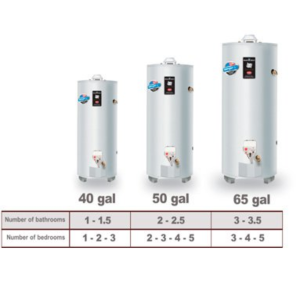
If your hot water heater or hot water tank is too small for your household’s needs, it may struggle to provide hot water quickly.
Why It Happens:
When the tank’s capacity is exceeded, it takes time to heat up a new batch of water. This is especially common in larger households where multiple fixtures are used simultaneously.
What You Can Do:
Upgrade to a Larger Hot Water Heater: If your current system isn’t meeting demand, consider investing in a tank with a larger capacity.
Switch to a Tankless Water Heater: Tankless systems heat water on demand, ensuring you never run out of hot water.
4. Issues with the Water Pipe Insulation
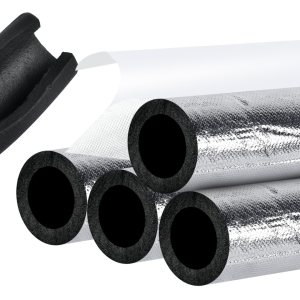
Uninsulated or poorly insulated water pipes can contribute to delays in hot water delivery.
Why It Happens:
Heat loss occurs as hot water travels through uninsulated pipes, especially in colder environments like basements or outdoor areas.
What You Can Do:
Insulate Your Pipes: Adding pipe insulation reduces heat loss and keeps the water warm as it travels.
Contact a Plumbing Service: A professional can inspect your water pipes and recommend the best insulation solutions.
5. A Malfunctioning Hot Water Heater
Sometimes, the problem lies directly within the hot water heater itself.
Why It Happens:
Worn-out heating elements, a broken thermostat or aging components can reduce your heater’s efficiency and increase the time it takes to deliver hot water.
What You Can Do:
Perform Routine Maintenance: Check the thermostat settings and inspect for any visible damage.
Schedule Professional Repairs: If you’re unsure about the issue, plumbing services can diagnose and fix the problem.
Consider Replacing an Old Unit: If your hot water heater is over 10-15 years old, it might be time for an upgrade.
How to Prevent Delays in Hot Water
Conduct Regular Maintenance: Routine maintenance of your hot water heater and water pipes ensures everything is running efficiently.
Upgrade Old Systems: Aging plumbing systems and hot water tanks may not be able to keep up with your household’s demands.
Use Water Wisely: Avoid overloading your system by spacing out water-intensive tasks like laundry and showers.
When to Call a Professional
While some issues can be resolved with DIY efforts, others require professional plumbing services. Call a licensed plumber if:
Your hot water heater is leaking or making unusual noises.
You experience inconsistent water temperatures.
There’s a sudden increase in your water heating bill.
Plumbing professionals can assess your system, recommend upgrades and ensure that your hot water needs are met efficiently.
If your hot water takes too long to reach your faucet or shower, pinpointing the cause is the first step toward a solution. From optimizing your hot water heater to upgrading your plumbing system, there are plenty of ways to enhance performance. Taking proactive steps now can help you save water, lower energy costs and enjoy the convenience of hot water on demand.