

Water is an essential part of our daily lives, but have you ever wondered how it travels through your home? From the moment it enters through the main supply line to when it drains away, your plumbing system works behind the scenes to provide clean water and remove wastewater efficiently. Understanding this process can help homeowners recognize issues before they become costly problems.
How Water Enters Your Home
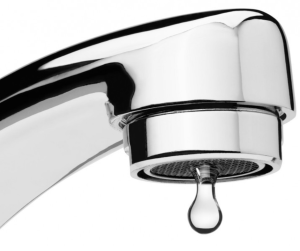
Your home’s water supply comes from one of two sources: a municipal water system or a private well. For those connected to a municipal system, water is delivered through underground pipes maintained by the city. Private well owners rely on pumps to draw water from an underground source. In both cases, water first passes through a main shutoff valve, which allows homeowners to turn off the entire water supply in case of emergencies or maintenance needs.
Once inside, the water typically travels through a pressure regulator, which ensures that it flows at a safe and consistent pressure. Excessively high water pressure can damage pipes, fixtures and appliances, while low pressure can cause poor water flow. From here, the water splits into two paths: cold water supply and hot water supply.
Cold vs. Hot Water Distribution
The cold water line runs directly from the main supply to faucets, toilets, dishwashers and other appliances that require cold water. However, for warm or hot water, the supply must pass through a water heater first. This heater – whether a traditional tank or a tankless system, raises the temperature of the water before it’s distributed throughout the home.
Once heated, the hot water travels through a separate set of pipes to reach showers, sinks, dishwashers and washing machines. This system ensures that every fixture gets the appropriate water temperature when needed.
The Role of Drainage & Venting: How Wastewater Leaves Your Home
While incoming water is crucial, getting rid of wastewater is just as important. The drainage system in your home is responsible for safely removing used water from sinks, tubs, toilets and appliances. Unlike the pressurized water supply system, drains rely on gravity to move water out of the home.
When you flush a toilet or drain a sink, the wastewater flows into large pipes that lead to either a municipal sewer system or a septic tank. Properly designed drain pipes maintain a downward slope, allowing gravity to pull water and waste efficiently toward the main sewer line.
The Importance of Plumbing Vents
For drainage to work properly, your home also needs a venting system. Plumbing vents might not be something homeowners think about, but they play a crucial role in maintaining smooth drainage and preventing unpleasant odours. Here’s why venting matters:
Airflow Regulation: Vent pipes allow air to enter the plumbing system, preventing suction that could slow down drainage.
Odour Prevention: Vents help direct sewer gases safely outside rather than allowing them to back up into your home.
Consistent Water Flow: Without vents, drains could become sluggish, leading to frequent clogs or backups.
Most homes have a main vent stack that runs through the roof, allowing gases to escape while ensuring proper airflow. Without this system, drains would gurgle, water could siphon out of traps and sewer odours could enter living spaces.
Common Plumbing Issues Related to Water Flow
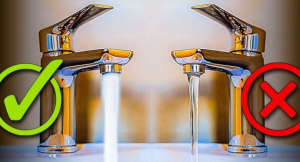
Understanding how water moves through your home can help you recognize common plumbing problems before they worsen. Here are a few issues to watch for:
Low Water Pressure – Often caused by mineral buildup, leaks, or a failing pressure regulator. If multiple fixtures have weak flow, it could indicate a bigger issue with the main supply line.
Slow Drains or Gurgling Sounds – These signs often mean a blocked vent pipe or drain line, restricting the proper flow of wastewater.
Frequent Clogs – If you’re constantly dealing with clogs, it could be due to improper drain slope, debris buildup, or tree root intrusion in outdoor pipes.
Sewer Odours Inside the Home – This could indicate a dry drain trap, a blocked vent, or even a break in the sewer line.
Keeping Your Plumbing System in Top Shape
Your home’s plumbing is a complex network, but regular maintenance can help keep everything running smoothly. Here are a few tips to ensure your system remains in top shape:
Check for Leaks – Inspect pipes and faucets regularly to catch leaks early and prevent water waste.
Clean Drains Properly – Avoid using harsh chemicals; opt for natural solutions like baking soda and vinegar or professional drain cleaning services.
Watch What Goes Down the Drain – Never pour grease, food scraps, or non-flushable items down sinks or toilets.
Schedule Professional Inspections – A plumber can assess your system and detect hidden issues before they become expensive repairs.
Trust The Great Plumbing Co. for Expert Plumbing Services
At The Great Plumbing Co., we understand the importance of a well-functioning water system. Whether you need routine maintenance, drain cleaning, or a full plumbing inspection, our team of experienced professionals is here to help. We combine old-school values like punctuality and honest service with the latest technology to ensure you receive the best care possible.
Need assistance with your home’s plumbing? Contact us today https://www.thegreatplumbingco.com/contact-us/ to schedule an appointment and keep your water flowing smoothly!
The Great Plumbing Co.
For nearly three decades, The Great Plumbing Co. has been providing exceptional plumbing services for homeowners as well as business owners throughout Toronto and the GTA. Whether you’re dealing with a leaky hose bib, a clogged drain, or a toilet repair and service you can trust The Great Plumbing Co. to deliver timely solutions tailored to your specific requirements.
Contact us or book online to schedule your residential plumbing appointment.