
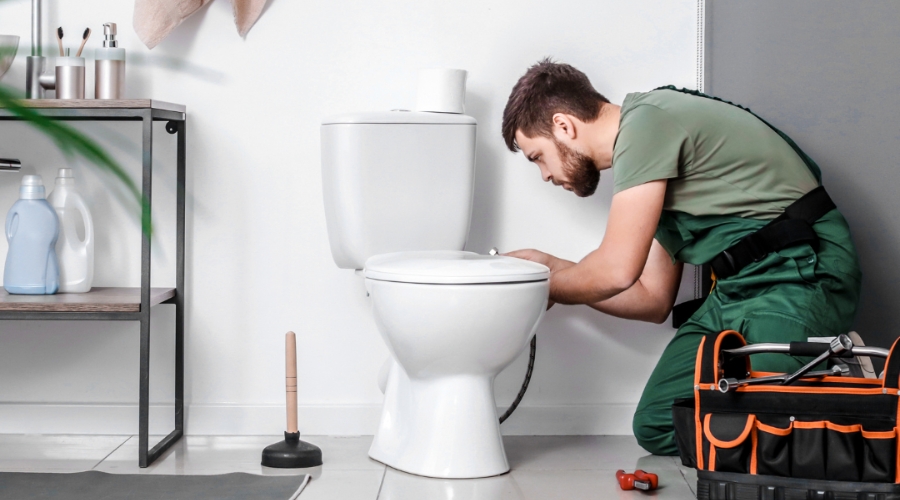
Toilets are one of the most essential fixtures in any home, but when something goes wrong, it can quickly turn into a major inconvenience. Understanding common toilet problems and knowing how to diagnose and fix them can save you time, money, and frustration. We’ll explore some of the most frequent toilet issues homeowners face, how to figure out what’s wrong, and practical solutions to get your toilet back in working order.
The Constantly Running Toilet
 The Problem:
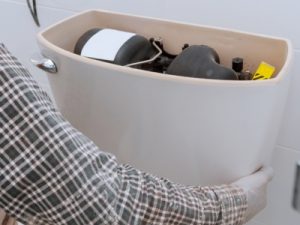
A toilet that continuously runs can waste a significant amount of water and increase your utility bills.
The Assessment:
Listen for Water Flow: After flushing, if you hear water continuously running or a hissing sound, the toilet is not shutting off properly.
Check the Flapper: Lift the tank lid and inspect the flapper (the rubber valve at the bottom of the tank). If it’s not sealing correctly, water will keep leaking into the bowl.
The Solution:
Replace the Flapper: Turn off the water supply, drain the tank, and replace the old flapper with a new one. Ensure it fits snugly and creates a good seal.
Adjust the Float: If the flapper is fine, the float may need adjusting. The float controls the water level in the tank. Adjust it so that the water stops about an inch below the overflow tube.Weak Flush
The Problem:
A weak or incomplete flush can leave waste in the bowl, requiring multiple flushes and causing frustration.
The Assessment:
Check for Clogs: Even partial clogs can restrict water flow. Use a plunger to see if you can clear any blockages.
Inspect the Tank: Make sure the water level in the tank is at the proper height, typically about an inch below the overflow tube. Low water levels can weaken the flush.
The Solution:
Clear Blockages: Use a plunger or a toilet auger to remove any clogs that might be affecting the flush.
Adjust Water Level: Adjust the float to ensure the water level in the tank is high enough to produce a strong flush. If the float is damaged, replace it.Slow-Filling Toilet
 The Problem:
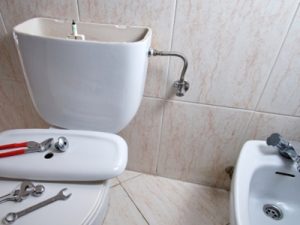
A toilet that fills slowly after flushing can be inconvenient and may indicate underlying issues with the fill valve or water supply.
The Assessment:
Inspect the Fill Valve: The fill valve controls the water flow into the tank. If it’s partially clogged or malfunctioning, it can slow down the filling process.
Check the Water Supply Line: Ensure that the water supply valve is fully open and that the supply line is not kinked or blocked.
The Solution:
Clean or Replace the Fill Valve: Turn off the water supply, remove the fill valve, and clean any debris that might be obstructing it. If cleaning doesn’t help, replace the fill valve with a new one.
Inspect and Clear the Supply Line: Make sure the water supply line is clear and fully open. Replace it if it’s damaged or blocked.Toilet Leaks
The Problem:
Water leaking from the toilet can cause water damage and increase your water bill.
The Assessment:
Check for Visible Leaks: Look for water pooling around the base of the toilet or dripping from the tank.
Inspect the Wax Ring: If water is leaking from the base, the wax ring that seals the toilet to the floor might be compromised.
Examine the Tank Bolts and Gasket: Leaks between the tank and the bowl can indicate worn-out bolts or a faulty gasket.
The Solution:
Replace the Wax Ring: Turn off the water supply, drain the toilet, and unbolt it from the floor. Remove the old wax ring and replace it with a new one before resecuring the toilet.
Tighten or Replace Tank Bolts and Gasket: If the leak is between the tank and bowl, tighten the bolts. If that doesn’t work, replace the gasket and bolts with new ones.Toilet Won’t Flush
The Problem:
A toilet that won’t flush at all is a significant problem and usually indicates an issue with the handle flapper or water level.
The Assessment:
Check the Handle and Chain: Ensure the handle is not loose and that the chain connecting the handle to the flapper is intact and properly adjusted.
Inspect the Flapper: If the flapper isn’t lifting when you press the handle, the chain might be too short or too long.
The Solution:
Fix the Handle and Chain: Tighten the handle and adjust the chain length to ensure it lifts the flapper correctly.
Replace the Flapper: If the flapper is damaged or not sealing properly, replace it with a new one.Noisy Toilet
The Problem:
A noisy toilet can be annoying and is often caused by issues with the fill valve or water pressure.
The Assessment:
Listen to the Sound: A whistling sound usually indicates high water pressure or a worn-out fill valve. A banging sound (water hammer) often means the fill valve is closing too quickly.
The Solution:
Adjust Water Pressure: If the water pressure is too high, adjust the water supply valve to reduce it.
Replace the Fill Valve: If the noise persists, replace the fill valve with a new one to ensure smooth operation.
Toilets are essential fixtures in any home and understanding common problems can help you maintain them effectively. Whether it’s a running toilet, weak flush, slow-filling tank, leaks, flushing issues, or noise, diagnosing the problem accurately is the first step to finding a solution. For more complex problems, don’t hesitate to call a professional plumber to avoid further damage or complications.
The Great Plumbing Co.
For nearly three decades, The Great Plumbing Co. has been providing exceptional plumbing services for homeowners as well as business owners throughout Toronto and the GTA. Whether you’re dealing with a leaky hose bib, a clogged drain, or a toilet repair and service you can trust The Great Plumbing Co. to deliver timely solutions tailored to your specific requirements.
Contact us or book online to schedule your residential plumbing appointment.