
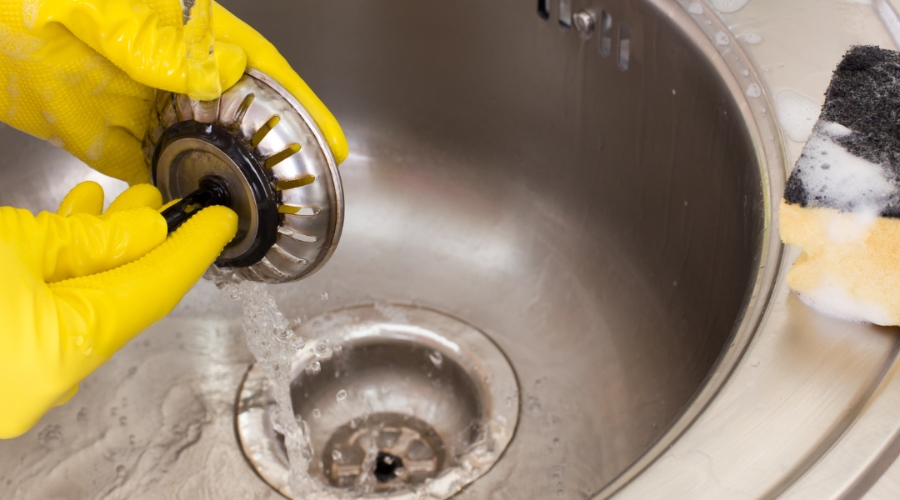
Clogged drains are a common household problem that can disrupt daily routines and cause significant inconvenience. Understanding the science behind how blockages form can help you prevent them and effectively unclog your drains when they occur. Let’s explore the different types of blockages, how they form, and the best practices for prevention and unclogging.
The Basics of Drain Blockages
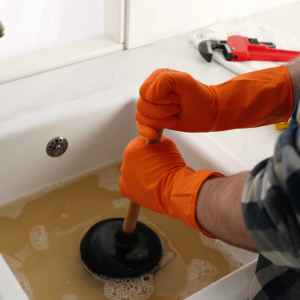 Drain blockages occur when materials accumulate in your plumbing system, preventing water from flowing freely. These materials can vary widely, from hair and soap scum to food particles and grease. The science behind blockages involves understanding how these materials interact with water and each other to create a clog.
Types of Blockages: Hard vs. Soft
There are two main types of drain blockages: hard and soft.
Hard Blockages:
Hard blockages are typically caused by inorganic materials that are not easily broken down. These can include:
Mineral Deposits: Over time, minerals in hard water can accumulate and form scale inside pipes.
Foreign Objects: Items like small toys, jewelry, or other debris that accidentally enter the drain.
Corrosion: In older metal pipes, corrosion can create rough surfaces that catch debris, leading to blockages.
Prevention and Unclogging:
Prevention: Installing water softeners can help reduce mineral deposits. Regular inspections and mindful use of drains can prevent foreign objects from entering.
Unclogging: Hard blockages often require mechanical removal methods like plumbing snakes or professional hydro jetting.
Soft Blockages:
Soft blockages are caused by organic materials and substances that can break down over time but can accumulate and cause clogs if not managed properly. These include:
Hair and Soap Scum: Common in bathroom drains, hair can bind with soap residue to form clogs.
Food Waste and Grease: In kitchen sinks, food particles and grease can accumulate, especially in garbage disposals.
Paper Products: Excessive toilet paper or paper towels can cause clogs in toilets.
Prevention and Unclogging:
Prevention: Regularly cleaning drains and using drain covers can help catch hair and food particles. Avoid pouring grease down the sink.
Unclogging: Soft blockages can often be addressed with chemical drain cleaners, plungers, or homemade solutions like baking soda and vinegar.
How Blockages Form
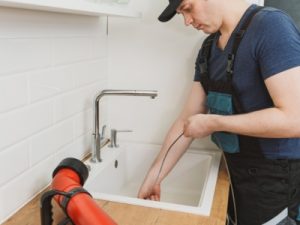 Understanding how blockages form involves looking at the interaction between water, waste materials, and the physical structure of your plumbing system.
- Accumulation: Over time, materials like hair, soap, and grease accumulate on the walls of pipes. This buildup gradually narrows the passage, slowing water flow.
- Adhesion: Certain materials, especially greasy or sticky substances, adhere to the pipe walls more easily. This creates a base layer that other debris can stick to.
- Aggregation: As more materials stick to the initial layer, the blockage grows. Hair, for example, can create a net-like structure that traps more debris.
- Hydrodynamic Forces: Water flow can sometimes push materials further into the pipes, compacting the blockage and making it harder to remove.
Prevention Strategies
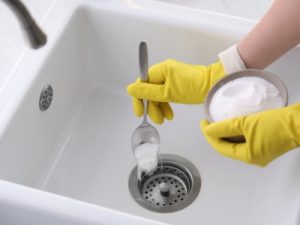 Preventing blockages is often easier and less costly than dealing with them after they occur. Here are some effective strategies:
- Regular Maintenance: Periodically clean your drains with baking soda and vinegar or a mild chemical cleaner to break down small accumulations before they become major blockages.
- Drain Covers: Use mesh screens or drain covers in sinks and showers to catch hair, food particles, and other debris.
- Mindful Disposal: Avoid pouring grease, oils, and coffee grounds down the sink. Dispose of these materials in the trash instead.
- Water Softeners: If you have hard water, consider installing a water softener to reduce mineral buildup in your pipes.
Unclogging Methods:
When blockages do occur, there are several methods to unclog drains effectively:
- Plunger: A basic plunger can often dislodge minor clogs in sinks and toilets by creating a vacuum that pushes the blockage through.
- Plumbing Snake: For tougher blockages, a plumbing snake (or auger) can be used to break up and remove the clog.
- Chemical Cleaners: Use with caution, as they can damage pipes if overused. These cleaners dissolve organic material but are less effective on hard blockages.
- Homemade Solutions: A mixture of baking soda and vinegar followed by hot water can be effective for breaking down soft blockages.
- Professional Help: For severe or persistent clogs, professional plumbers can use advanced tools like hydro jetting to clear the pipes.
Understanding the science behind clogged drains is crucial for both preventing and addressing this common household issue. By recognizing the difference between hard and soft blockages and employing the appropriate prevention and unclogging methods, you can maintain a smoothly functioning plumbing system and avoid the hassle of frequent clogs.
Regular maintenance, mindful disposal of waste and timely intervention are key to keeping your drains clear and your home running efficiently.
The Great Plumbing Co.
For nearly three decades, The Great Plumbing Co. has been providing exceptional plumbing services for homeowners as well as business owners throughout Toronto and the GTA. Whether you’re dealing with a leaky hose bib, a clogged drain, or a toilet repair and service you can trust The Great Plumbing Co. to deliver timely solutions tailored to your specific requirements.
Contact us or book online to schedule your residential plumbing appointment.